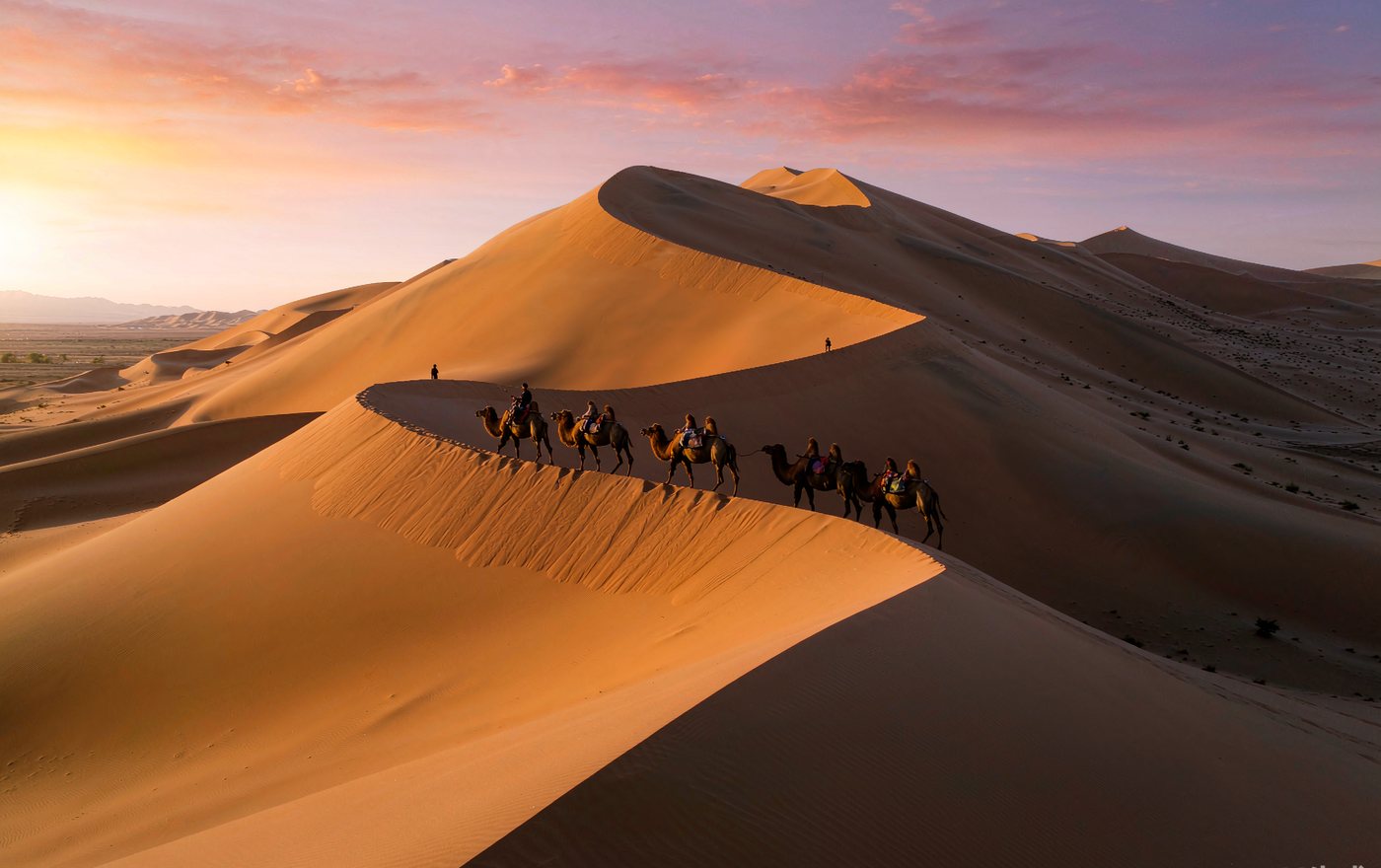
The Gobi Desert
The Gobi is not a sand sea — it is a vast, varied desert of gravel plains, red cliffs and dune fields, home to Bactrian camels, dinosaur fossils and some of the darkest night skies in Asia.
The classic loop runs from Dalanzadgad through Yol Valley, Khongoryn Els and Bayanzag to the Ongi monastery ruins. It is best done in six to eight days, with three nights in desert ger camps.
- Don't miss: the singing dunes at Khongoryn Els, and the ice canyon of Yol Valley even in July.
- Best season: May to early October. July and August are hot but the dunes are at their most photogenic at sunrise.
- Pace: long driving days between highlights — plan for 3–5 hours in the vehicle.
The central heartland
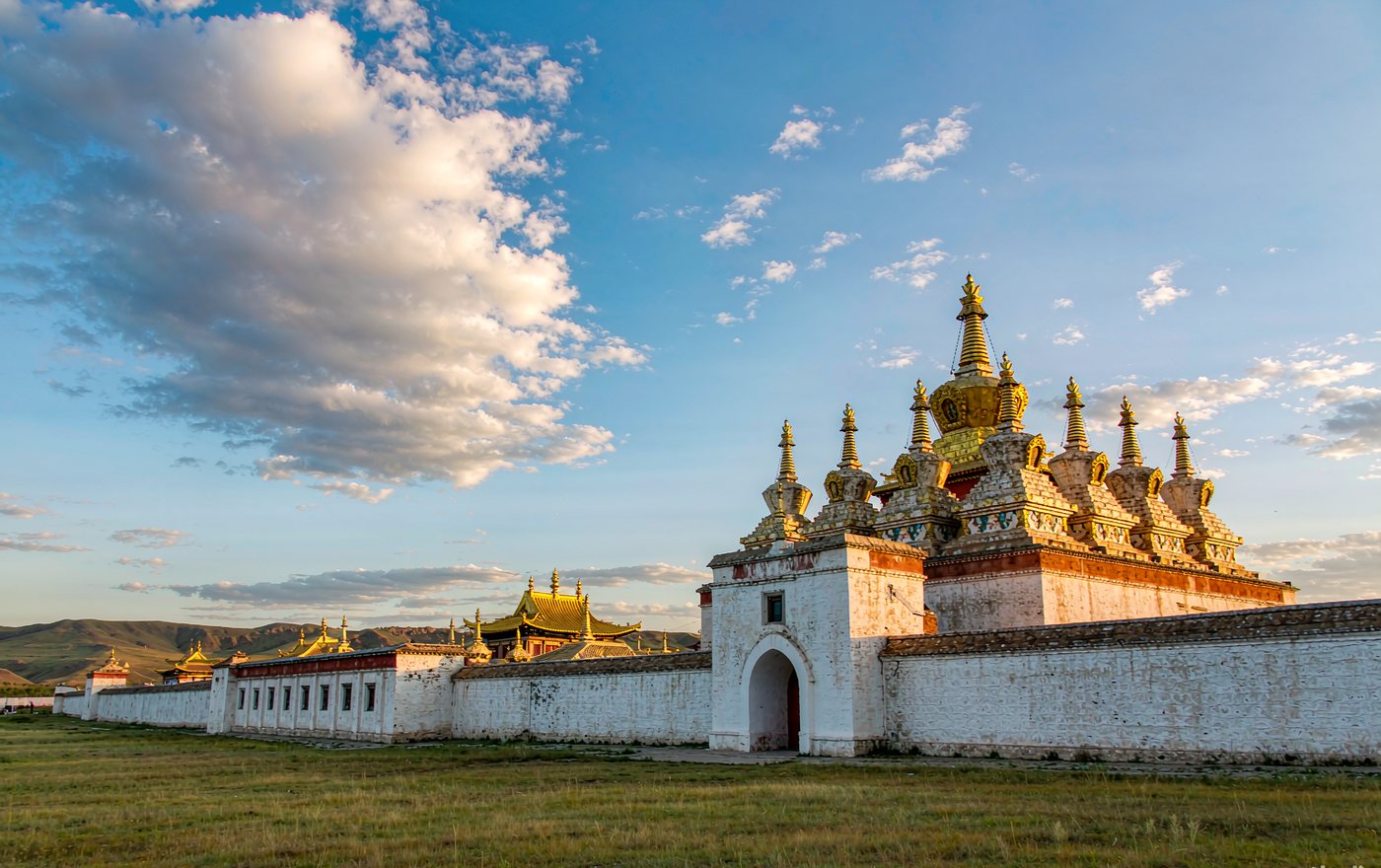
This is the historic core: Karakorum, the 13th-century capital of the Mongol Empire, the walled monastery of Erdene Zuu, and the UNESCO-listed Orkhon Valley where herding families still move with the seasons.
It is also the easiest region to travel: paved roads for much of the route, short drives, and the option of a night in a nomad family's ger without committing to a full expedition.
- Don't miss: Erdene Zuu at opening time, the Orkhon waterfall, and the hot springs at Tsenkher.
- Best season: June to September; late August for golden light and fewer visitors.
- Good for: first-time visitors, families, and anyone with limited time.
Lake Khuvsgul & the taiga
Khuvsgul holds around 1% of the world's fresh water and freezes solid enough to drive across in winter. In summer it is a deep blue alpine lake ringed with pine forest, larch and meadows.
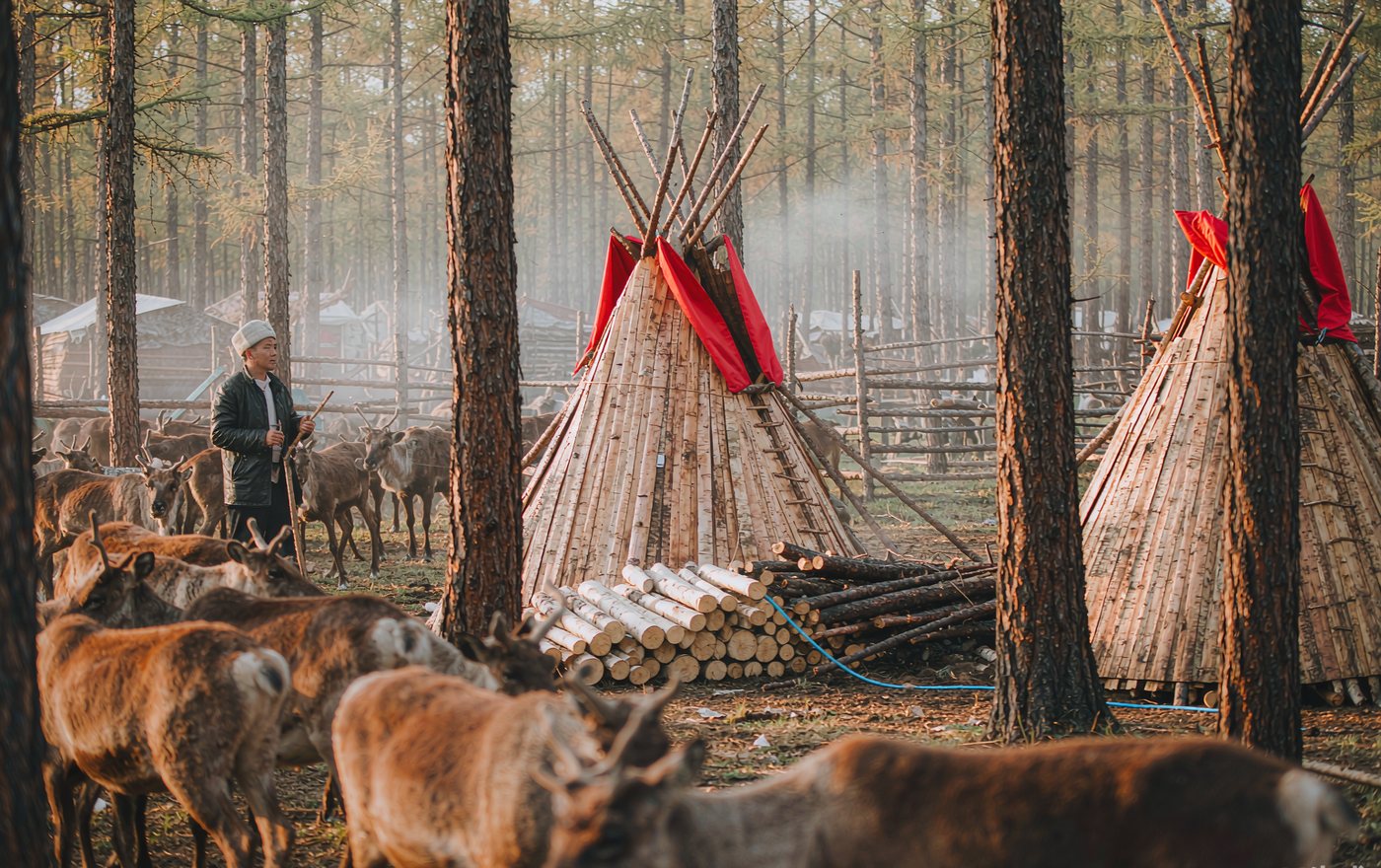
North of the lake live the Tsaatan, reindeer herders of the taiga. Visiting them is a privilege that requires a long drive, a guide who knows the families, and a genuine respect for their time.
- Don't miss: kayaking on Khuvsgul, the Uran Togoo volcano, and a night with a reindeer family.
- Best season: June to September. Winter (February–March) offers the ice festival and a very different lake.
- Note: domestic flights to Murun save two long driving days.
Altai & the eagle hunters
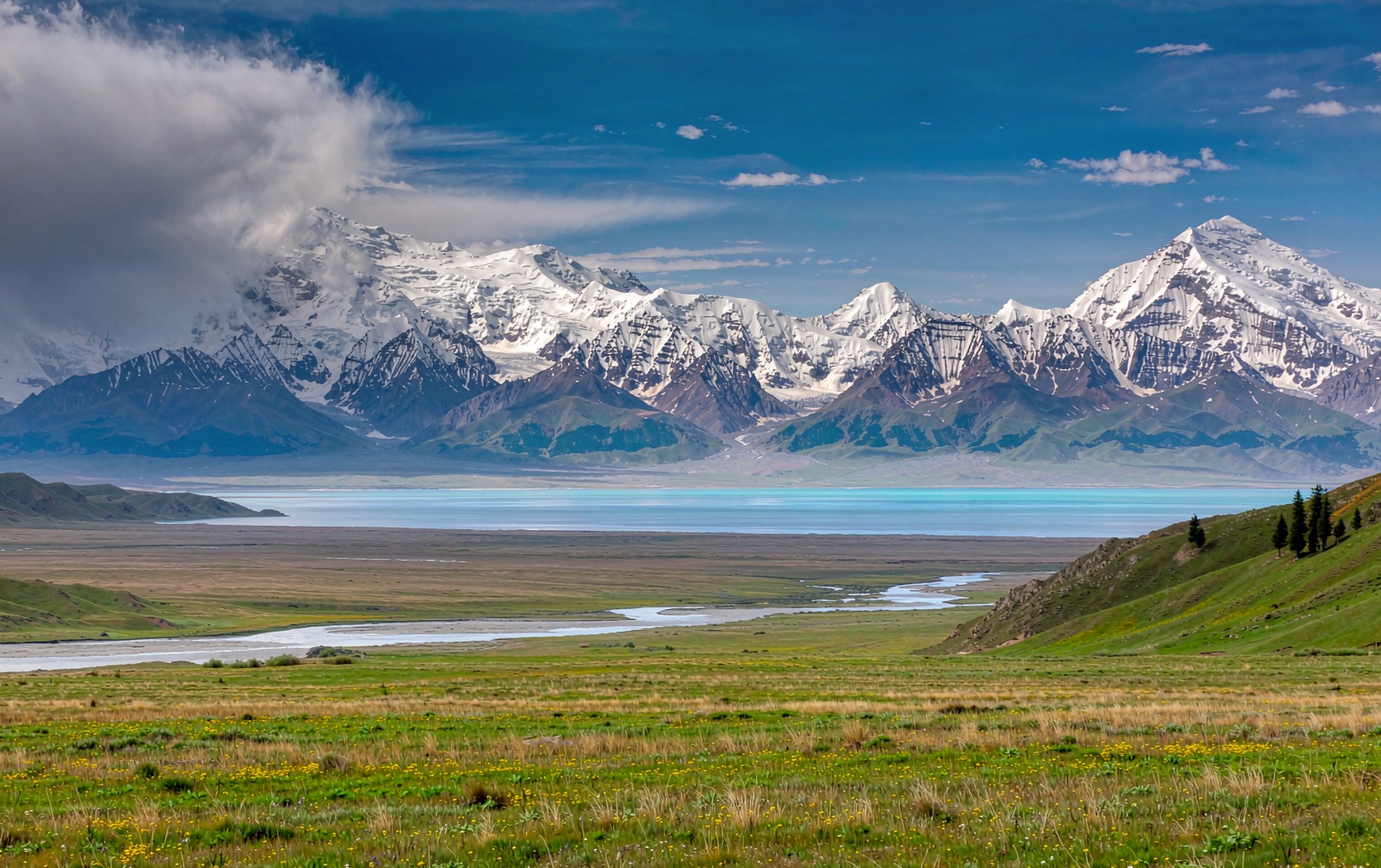
Western Mongolia is the country at its most dramatic: the five peaks of Tavan Bogd, hanging glaciers, turquoise lakes, and a Kazakh minority whose culture centres on hunting with golden eagles.
Every October, Ulgii hosts the Golden Eagle Festival — two days of eagle competitions, horse games and Kazakh hospitality. It is the single best reason to travel in autumn.
- Don't miss: the festival itself, and a dawn photography session with an eagle hunter family.
- Best season: June to September for trekking; late September to early October for the festival.
- Note: internal flights to Ulgii are essential — the road takes three days.
The eastern steppe
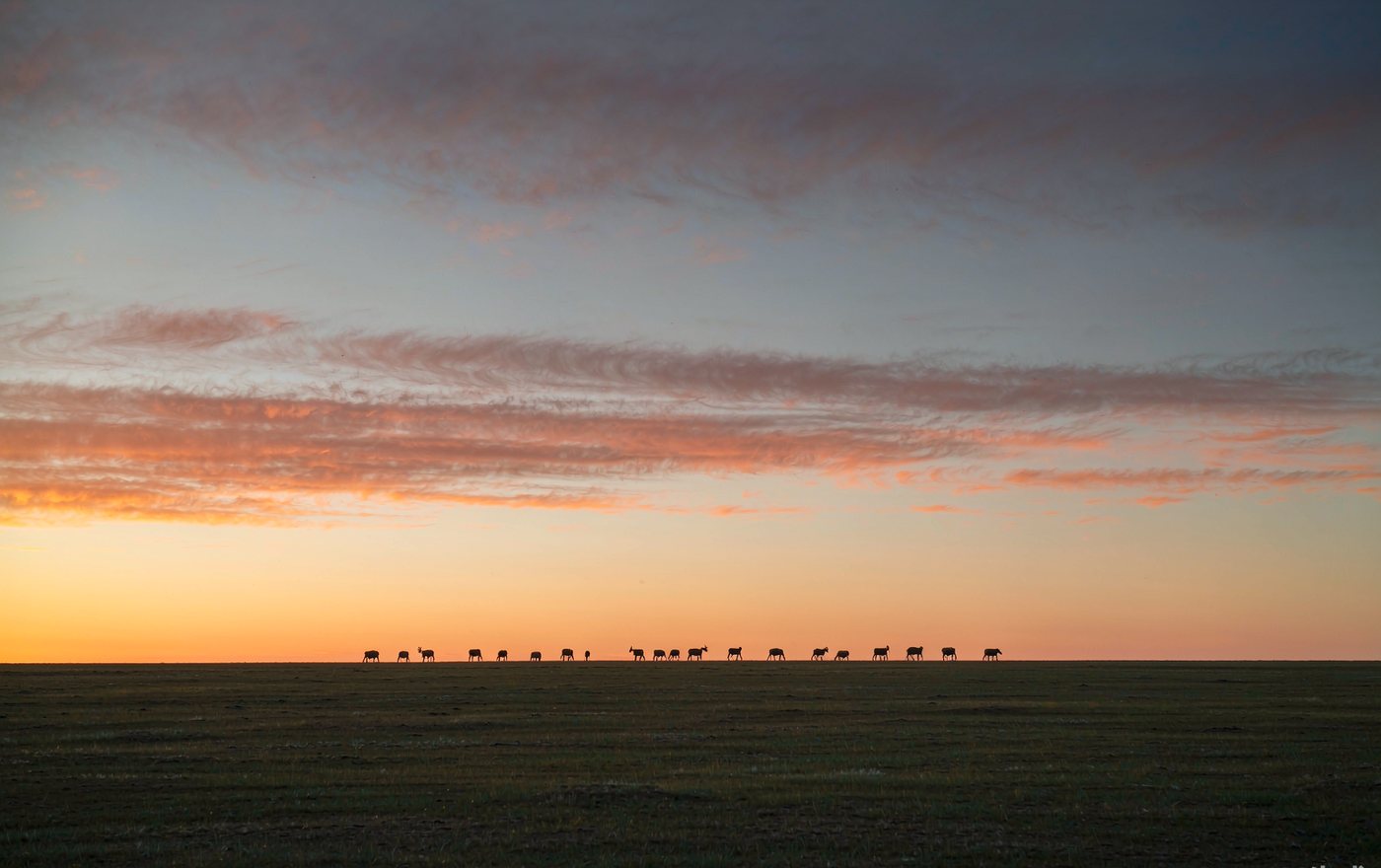
The east is the emptiest part of the emptiest country: grassland from horizon to horizon, no fences, no trees, and herds of gazelle that outnumber the people by a wide margin.
This is where you understand the Mongolian idea of space. It is also the birthplace of Genghis Khan, with a handful of pilgrimage sites and almost no tourism infrastructure.
- Don't miss: Dadal and the Deluun Boldog birthplace site; the Buir Lake region on the Chinese border.
- Best season: June to September, when the grass is high and the birds are nesting.
- Good for: repeat visitors and photographers who want emptiness rather than highlights.